
Monday, December 01, 2025
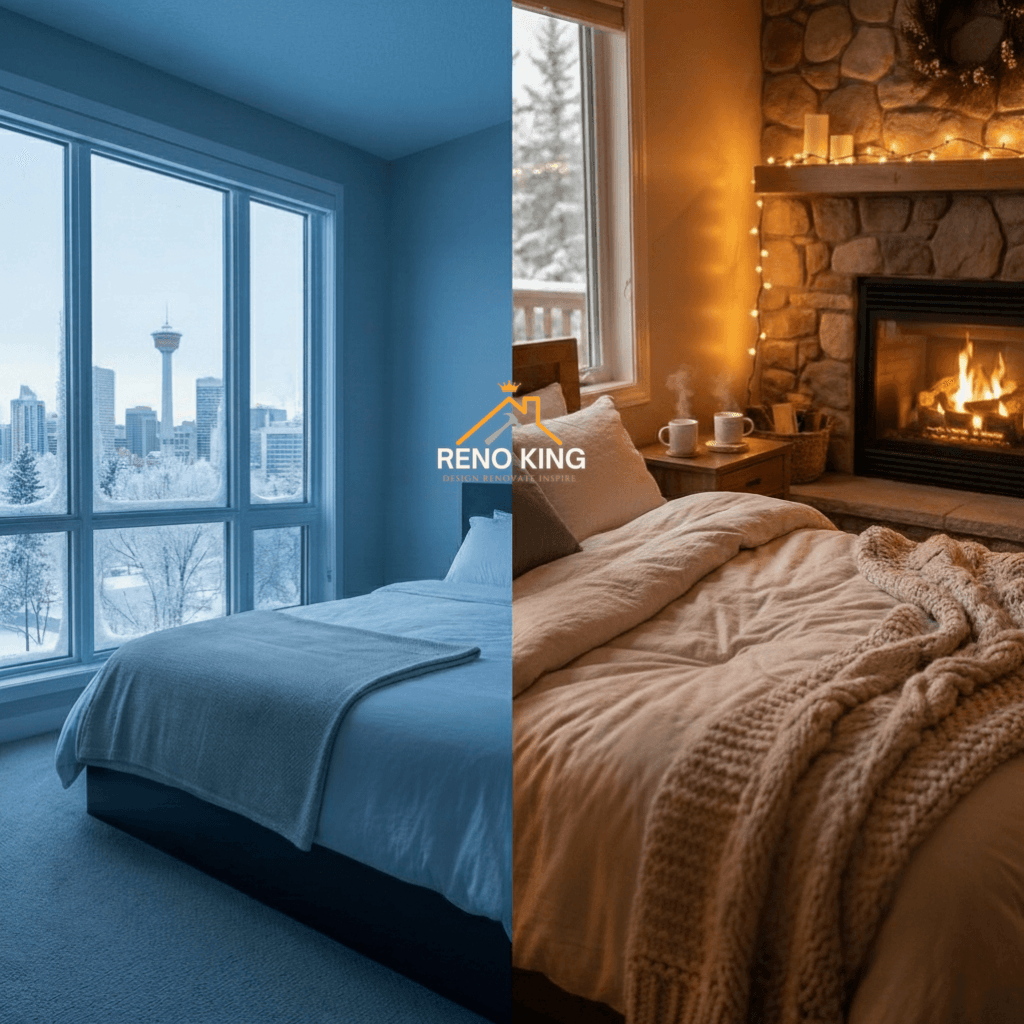
Calgary is a city defined by its dramatic seasons. While the summer months are short and sweet, the winter is a defining feature—long, beautiful, and often brutally cold. When those deep-freeze temperatures settle in, the last place you want to feel the chill is in your most private sanctuary: your bedroom.
For many homeowners, the bedroom is simply a place to crash, but with a thoughtful and comprehensive renovation, it can be elevated into a year-round winter retreat—a space dedicated to deep sleep, relaxation, and genuine comfort. Achieving this transformation requires more than just adding a few plush pillows; it demands addressing the technical realities of cold-climate living while employing the psychological power of texture, light, and colour.
This detailed guide breaks down the full renovation process, from tackling thermal leaks to perfecting the final, sensory details, ensuring your Calgary bedroom is truly prepared to keep you cozy.
I. The Thermal Foundation: Tackling Calgary’s Cold at the Source
Before any design choices are made, the structure of the room must be optimized for heat retention. In a cold climate, the goal is to create an unbroken thermal barrier, preventing indoor heat from escaping and outdoor cold from infiltrating. This is the cornerstone of a truly comfortable and energy-efficient winter retreat.
1. Insulation Checkup: The Science of Keeping Warm
In Calgary, residential building codes typically fall under climate zones that require high R-Values—the measurement of a material’s resistance to heat flow. Older homes often fall far short of modern standards, making insulation the most critical upgrade.
Understanding R-Values for Calgary (Zone 7)
When renovating, you should aim for R-values well beyond the minimum requirements. For exterior walls, aiming for R-20 to R-24 is smart practice, while attic insulation should target R-50 to R-60. The specific materials you choose will influence how efficiently you can hit these numbers:
- Batt Insulation (Fiberglass/Mineral Wool): The most common option, best used in standard wall cavities. Ensure it is cut perfectly to fill the space without compression or gaps, as gaps negate its thermal value.
- Blown-In Insulation (Cellulose/Fiberglass): Ideal for topping up existing attic insulation. It conforms easily around trusses and wiring, providing a seamless blanket.
- Rigid Foam (XPS/Polyiso): Excellent for adding insulation to the exterior of a wall before siding is applied, or to the interior of a basement wall. It offers high R-Value per inch, which is crucial where space is limited.
Eliminating Air Infiltration
It’s not just the insulation material; it’s the air sealing. A surprising amount of heat is lost through air leaks. During demolition, ensure your contractor targets:
- Electrical Outlets and Light Switches: These are essentially holes in your exterior wall’s vapour barrier. Air sealing with caulk or specialized foam gaskets behind the plate covers is mandatory.
- Baseboards and Crown Moulding: Gaps where the wall meets the floor or ceiling should be sealed before finishing materials are installed.
- Service Penetrations: Any spot where a wire, pipe, or vent enters the room must be caulked or foamed shut. A drafty room will never feel truly cozy.
2. Window Warfare: Stopping the Drafts and Condensation
Windows are the biggest thermal weak spot in any renovation. Investing in high-performance windows designed for extreme cold is essential.
Key Window Specifications for Cold Climates
Beyond the basic triple-pane construction, homeowners should look at two critical metrics:
- U-Factor: This measures the rate of heat transfer (the lower the U-Factor, the better the window’s insulating value). For Calgary, aim for a U-Factor of 0.30 or lower.
- Gas Fills and Low-E Coatings: The space between the panes should be filled with inert gases like Argon or Krypton, which are much denser than air and slow heat transfer. Furthermore, a Low-E (low-emissivity) coating on the glass surface reflects radiant heat back into the room, keeping the space warmer.
The Role of Layered Window Treatments
Even with perfect windows, a smart homeowner uses window treatments to boost efficiency and coziness:
- Cellular or Honeycomb Blinds: These have pockets that trap air, adding an extra layer of insulation when closed.
- Heavy Thermal Curtains: Choose curtains made of thick velvet, damask, or cotton with a fleece or thermal lining. They must be sized correctly—extending several inches past the window frame on all sides—and installed on a track that seals them tightly against the wall to block airflow.
3. The Subfloor Barrier and Radiant Heat
Nothing undermines a cozy aesthetic faster than cold feet. Addressing the flooring system is paramount, especially in bedrooms above basements or garages.
Floor Insulation Strategies
If the floor joists are accessible from below (e.g., in an unfinished basement), consider insulating the ceiling with rigid foam or rock wool batts. If the floor is being removed, a layer of rigid foam insulation can be installed on top of the subfloor before laying the new floor, adding substantial R-Value from the inside.
The Indulgence of In-Floor Heating
While forced-air furnaces are standard, they often result in uneven heat, leaving the floor cold and the ceiling warm. Radiant electric mats or hydronic tubing installed beneath tile, stone, or engineered wood flooring solve this problem entirely.
- How it Works: Radiant heat warms objects and surfaces, not the air. This uniform warmth means your entire body feels comfortable, even if the air temperature is set lower than with forced air.
- Efficiency: It’s efficient because you are warming the occupied space, not the unused air near the ceiling. It is also completely silent. Installing it during a renovation is the ideal time, as the flooring is already up.
4. Humidity and Heating System Optimization
Calgary’s winter air is famously dry, exacerbating respiratory issues and making the room feel colder.
Integrating a Whole-House Humidifier
The dry air sucks moisture from everything—your skin, your furniture, and your sinuses. A whole-house humidifier integrated with your furnace system is a non-negotiable upgrade for a true winter retreat. Maintaining the air’s relative humidity at 35% to 40% makes the air feel warmer and stops wood floors and furniture from shrinking and cracking.
Supplemental Heat Sources
If your existing forced-air system struggles to heat a far-flung bedroom:
- Electric Fireplace: A highly effective way to add both visual warmth and supplemental heat. Modern electric fireplaces are safe, energy-efficient, and can be integrated beautifully into custom millwork, offering a stunning focal point.
- Ductless Mini-Splits: While usually used for cooling, heat pump mini-splits are incredibly efficient supplementary heaters for single zones, especially in mild shoulder seasons.
II. Designing for Warmth: Colors, Textures, and Lighting
Once the room is thermally sealed and efficient, the design elements must take over to create a powerful psychological sense of coziness.
5. The Psychology of the Cozy Color Palette
Color choices directly impact our perception of temperature. For a winter retreat, you want hues that absorb light and convey depth.
- Understanding Undertones: Move away from cool neutrals (grays with blue or purple undertones) and embrace neutrals with yellow, red, or beige undertones (e.g., bone, mushroom, fawn, deep taupe). These tones mimic natural light and create a warmer cast on everything in the room.
- High-Contrast Accents: Use deep, saturated colors to create an intimate “cocoon” feeling. A feature wall painted in a rich plum, charcoal grey, or deep hunter green visually recedes, enclosing the space and making the room feel safer and more contained.
- Light Reflectance Value (LRV): Choose paints with a lower LRV (closer to 0) for your cozy room. Low LRV colours absorb more light, resulting in a deeper, softer look that encourages relaxation, unlike high LRV whites (closer to 100) which are bright and stimulating.
6. Layering Textures: The Hygge Blueprint
Cozy design is defined by texture—surfaces that invite touch and soften the room’s hard lines.
The Bedding Masterclass
Your bed is the centrepiece, and it requires multiple layers of texture for ultimate winter comfort:
- Duvet Fill Power: A higher fill power (600+) indicates better quality and loftier down, providing superior warmth without excessive weight. If choosing synthetic, look for high-quality microfibre that mimics down structure.
- Sheet Weave: Avoid crisp percale. Opt for sateen (for a silky feel) or, for the ultimate winter warmth, brushed cotton flannel. Flannel traps body heat effectively and becomes softer with every wash.
- Throws and Blankets: Use a variety of textures: a chunky cable-knit wool throw, a soft faux fur blanket, and linen pillows. Drape them artfully so the room appears ready to be snuggled into at any moment.
Beyond the Bed
Integrate texture throughout the room:
- Rugs: A generous wool or sheepskin area rug covers up to 80% of the floor space, anchoring the room and providing supreme comfort underfoot.
- Upholstery: A velvet bench, a linen-slipcovered armchair, or a textured wallpaper on the headboard wall adds depth and softness.
7. Atmospheric Lighting: The Warm Glow of Winter
The light in your retreat should feel like liquid gold. This means moving far beyond a single, central ceiling light.
Creating the Three Layers of Light
A professional lighting plan includes three layers that work together:
- Ambient Light: Provides general, non-glare illumination. Use recessed lighting on a dimmer, or a large pendant with a diffused shade.
- Task Light: Essential for reading or working. Use focused bedside wall sconces (ideal for saving space on nightstands) or slim floor lamps with adjustable heads.
- Accent Light: Highlights architectural features and adds mood. Try low-level LED strips under floating shelves, picture lights over artwork, or a small puck light focused on a plant.
Smart Dimming and Automation
Install smart dimmers for all fixtures. The ability to slowly fade light levels as you prepare for sleep enhances the cozy, den-like atmosphere. Automated systems can even transition your lights from a bright daytime setting (3500K) to a warm evening setting (2700K) automatically as the sun sets, mirroring the natural rhythm of the day.
III. Functional Comfort: Storage and Flow
A messy room is a stressful room. Functional design ensures that the space remains a calm retreat by hiding all the necessities of daily life.
8. Strategic Storage: Decluttering for Peace
Renovation allows for bespoke storage solutions that standard furniture cannot provide.
- Integrated Millwork: Custom built-ins designed by a cabinetmaker use vertical space perfectly. Think floor-to-ceiling closets, integrated drawers below a window bench, and media cabinets.
- Hidden Amenities: Incorporate thoughtful features like soft-close drawers, integrated laundry hampers hidden behind cabinet doors, and discreet pull-out trays inside closets for jewellery or accessories.
- Charging Stations: Design a drawer specifically for charging phones, tablets, and watches. This keeps unsightly wires and glowing screens out of sight when you sleep, enhancing the sense of digital detox essential for a true retreat.
9. Optimizing Bed Placement and Room Flow
The arrangement of furniture impacts both the thermal comfort and the psychological peace of the room.
- Thermal and Acoustic Buffering: If possible, place the bed on an interior wall rather than an exterior one. This shields you from the coldest surface and provides better acoustic separation from outdoor noise.
- Creating a Pathway: Ensure there is a clear, unobstructed path from the door to the closet and the ensuite. Any obstacle that causes you to bump into furniture or squeeze past an object creates micro-stresses that undermine the sense of relaxation.
- Feng Shui Principles (Optional but Helpful): While not required, consider placing the bed in a “commanding position”—where you can see the door without being directly in line with it. This fosters a sense of security and control, which aids in sleep.
IV. The Finishing Touches: Sensory Accessories and Acoustic Comfort
The final details transform the structure into a soulful space. These accessories engage the sense of smell, hearing, and touch.
10. Sensory Decor: The Power of Scent and Sound
A room is truly cozy when it feels good and smells good.
- Aromatherapy for Sleep: Ditch artificial room sprays. Use an ultrasonic diffuser with pure essential oils. Recommended calming winter blends include cedarwood, bergamot, frankincense, and classic lavender. Set the diffuser to run for 30 minutes before bedtime.
- Controlling the Soundscape: Noise is a major sleep disruptor. Use textiles to improve sound absorption: heavy rugs, curtains, and upholstered furniture naturally dampen sound. For persistent noise, consider installing solid core doors during the renovation, which are far superior to hollow-core doors at blocking sound transmission from the hallway.
11. Bringing Nature and Art Indoors
Even in a cold climate, a connection to the natural world promotes well-being.
- Calm Artwork: Select pieces with soft, abstract forms, peaceful landscapes, or natural textures. Avoid anything overly dramatic, graphic, or brightly coloured in the sleeping zone.
- Living Greenery: As mentioned, plants that tolerate low light and low humidity are best. Snake plants, peace lilies, and pothos actively filter air and add a touch of living colour.
- The Element of Fire (Visually): If a real fireplace isn’t feasible, the visual element of a flickering flame can be deeply comforting. Use high-quality electric fireplaces or battery-operated candles placed safely in a fireplace niche or on a high shelf.
V. The Strategic Timeline: Planning Your Calgary Reno
Transforming your bedroom into a high-performance winter retreat is a multi-disciplinary project that requires careful timing, especially in Calgary.
The ideal time to execute major structural and thermal upgrades—like insulation, window replacement, and exterior air sealing—is during the late spring through early fall. Working in temperate weather ensures that:
- Vapour Barrier Integrity: Vapour barriers are easier to install and seal effectively when temperatures are above freezing.
- Material Acclimation: Installing wood flooring or millwork during the summer allows the materials to expand slightly before the winter heating season causes them to shrink. This minimizes gaps and cracks later on.
- HVAC Access: Contractors can easily access attics and exterior walls without the risks and discomfort of heavy snow or extreme cold.
Plan your design and material ordering during the deepest part of winter, and schedule the demolition and construction phase for late summer. This strategy ensures your new, perfectly cozy, high-efficiency retreat is ready to welcome you when the first major cold snap of the year hits.
Ready to Turn Your Bedroom Dream into a Reality?
Achieving a renovation of this complexity—one that seamlessly integrates high-performance thermal engineering with sophisticated interior design—requires expert coordination. From calculating the optimal R-value for your specific home envelope to sourcing specialized, climate-appropriate materials and managing the installation of integrated radiant heating, the project has many moving parts.
A comprehensive renovation should deliver not only a beautiful aesthetic but also quantifiable energy savings and a demonstrable increase in home comfort and value. You need a partner who understands the specific challenges and opportunities presented by Calgary’s climate.
This is where Reno King comes in. We specialize in bespoke home transformations, focusing on creating spaces that are optimized for four-season living. Our process ensures that every detail, from the Low-E coating on your triple-pane windows to the custom millwork around your new electric fireplace, is executed flawlessly and efficiently. We handle the complexity of coordinating specialized trades, managing the timeline, and ensuring your project stays within budget, allowing you to focus purely on the exciting design choices.
Stop settling for a cold, drafty bedroom….
📞Contact Reno King today to schedule a consultation and begin the journey toward your ultimate Calgary winter retreat.