
Friday, December 19, 2025
Calgary’s winters are no joke. With temperatures plummeting below -30°C, heavy snowfalls that can dump 50 cm or more in a single storm, and unpredictable Chinook winds that bring rapid thaws followed by refreezes, your home’s exterior takes a real beating. Homeowners in this city often deal with issues like cracked siding from freeze-thaw cycles, roof leaks from ice dams, and hail damage that leaves dents and holes. If left unchecked, these problems can lead to water intrusion, mold growth, and skyrocketing energy bills as cold air seeps in.
But there’s good news: durable exterior renovations can transform your home into a fortress against these elements. In 2026, renovation trends are all about using high-tech, resilient materials that not only withstand the cold but also improve energy efficiency and add modern curb appeal. Options like impact-resistant siding and insulated roofing are gaining popularity, especially with incentives from programs like Alberta’s Clean Energy Improvement Program (CEIP), which offers low-interest financing for energy-saving upgrades. This guide dives deep into practical ideas for siding, roofing, windows, and more, with tips specifically for Calgary’s climate. Whether you’re renovating an older bungalow in the suburbs or a newer build in the inner city, these suggestions will help you protect your investment and enjoy a warmer, more efficient home.
Beyond just survival, these renovations can enhance your property’s value in Calgary’s competitive real estate market. Buyers are increasingly looking for homes that are low-maintenance and energy-smart, especially as utility costs rise. Starting with a thorough assessment of your current exterior—checking for signs of wear like peeling paint or loose shingles—can guide your project and prevent surprises down the road.
Understanding Calgary’s Weather Challenges and Their Impact on Exteriors
To choose the right renovations, it’s important to grasp how Calgary’s weather specifically affects home exteriors. Our winters aren’t just cold; they’re a mix of extremes. Snow accumulation can weigh down roofs, leading to structural stress if not properly supported. Then come the Chinooks—warm winds that can raise temperatures by 20°C in hours, melting snow only for it to refreeze overnight. This repeated freezing and thawing creates expansion and contraction in materials, resulting in cracks, warping, and eventual failure.
Hail is another major threat. Calgary is in “Hail Alley,” where storms can produce golf-ball-sized ice pellets that pummel siding and shatter windows. In recent years, these events have caused millions in insurance claims, highlighting the need for impact-resistant features. Strong winds, often exceeding 80 km/h during storms, can rip off loose panels or shingles, exposing the underlayment to moisture.
Moisture itself is a silent killer. Snow melt can pool around foundations if drainage is poor, leading to basement leaks or foundation cracks. Inside, poor insulation allows condensation to form, promoting mold and rot. Energy loss is a big issue too—drafty exteriors mean your furnace works overtime, pushing up bills by 20-30% or more.
These challenges aren’t just cosmetic; they affect your home’s longevity and safety. For example, ignored ice dams can cause interior water damage, ruining ceilings and walls. By addressing them with durable renovations, you not only fix current problems but also prevent future ones. A good starting point is an energy audit, available through local utilities, which pinpoints inefficiencies like inadequate insulation or air leaks.
Additionally, climate change is intensifying these issues, with predictions of more severe storms and temperature swings in Alberta. Renovating now with future-proof materials can save you money long-term and contribute to sustainability by reducing energy use.
Best Durable Siding Materials for Calgary Homes
Siding acts as your home’s skin, shielding it from wind, hail, and snow. Choosing durable options means less frequent replacements and better protection. Let’s break down the best materials, with details on why they work in Calgary.
Fiber Cement Siding
Fiber cement siding is a powerhouse for harsh climates. Made from a blend of cement, sand, and natural fibers, it’s designed to look like wood, brick, or stone while offering unmatched toughness. In Calgary, its high impact resistance—often rated Class 4 for hail—means it can withstand those intense summer storms without denting or chipping.
What makes it ideal for winters? It has low thermal expansion, so it doesn’t crack during freeze-thaw cycles. It’s also moisture-resistant, preventing rot even when snow piles up against the house. Fire resistance is a bonus in dry prairie conditions, and it holds paint well for years without fading from UV exposure.
Installation involves attaching it to the house frame with nails or screws, often over a weather barrier for added protection. For energy efficiency, add foam insulation boards underneath, which can improve your home’s R-value and qualify for rebates.
Real-world example: Many Calgary homes hit by the 2020 hail storm switched to fiber cement and reported no damage in subsequent events. Costs are $10-15 per square foot, but with a 50-year lifespan, it’s a solid investment.
However, it’s heavier, so ensure your structure can support it. Professional installation is recommended to avoid gaps that could let in moisture.
Pros and cons of fiber cement siding:
| Pros | Cons |
|---|---|
| Superior hail and wind resistance | Higher initial cost than vinyl |
| Minimal maintenance required | Heavier, may need structural checks |
| Excellent insulation and longevity | Dust during cutting requires safety gear |
Practical tips: Opt for factory-primed boards to speed up painting, and inspect seams annually for caulking needs. In Calgary’s dry air, this prevents dust buildup.
Insulated Vinyl Siding
Vinyl siding gets a bad rap for being basic, but insulated versions are game-changers for cold climates. The foam backing adds a layer of insulation, helping trap heat inside during winter blasts. In Calgary, choose vinyl rated for extreme cold to avoid brittleness and cracking below -20°C.
It’s lightweight and versatile, available in shakes, boards, or panels that mimic premium materials. Installation is faster and cheaper than alternatives, often done over existing siding for less waste. The insulation reduces noise from wind and improves energy efficiency, potentially cutting heating costs.
Drawbacks include potential denting from large hail, so select impact-modified grades. Colors can fade if not UV-stabilized, but modern formulas last longer.
For Calgary applications, it’s great for budget-conscious upgrades on mid-century homes. Costs: $5-10 per square foot.
Example: A northwest Calgary neighborhood saw residents install insulated vinyl after wind damage, noting warmer interiors and lower bills.
Pros and cons:
| Pros | Cons |
|---|---|
| Affordable with good insulation | May dent in severe hail without upgrades |
| Quick installation and variety of styles | Can look less premium if low-quality |
| Low maintenance—easy to hose down | Expansion in heat requires proper spacing |
Tips: Use J-channel trim for clean edges, and ensure ventilation to prevent trapped moisture. Pair with house wrap for better weatherproofing.
Stucco and Acrylic Stucco
Stucco has been a Calgary staple for decades, providing a smooth, seamless finish that’s both aesthetic and functional. Traditional cement stucco offers thermal mass, absorbing heat during the day and releasing it at night, which helps in fluctuating temperatures.
Acrylic stucco, with synthetic additives, is more elastic, reducing cracking from Chinooks. It’s applied in layers over mesh for reinforcement, creating a breathable barrier that lets moisture escape while blocking wind.
In hail areas, add impact-resistant finishes. It’s insulating, helping with energy savings, and customizable with textures or colors.
Costs: $8-12 per square foot, lasting 50+ years. Repairs are possible but should match the original for seamless looks.
Challenges: Poor application can lead to cracks, so hire experienced crews. In wet winters, ensure good drainage.
Pros and cons:
| Pros | Cons |
|---|---|
| Seamless, customizable appearance | Cracking possible in poor installs |
| Good thermal and sound insulation | Repairs may not blend perfectly |
| Long-lasting with proper care | Higher labor costs |
Tips: Use three-coat systems with drainage mats, and add pigments to avoid repainting. Annual inspections catch issues early.
Mixing materials, like stucco with stone accents, adds visual interest and extra durability.
Roofing Solutions Built to Handle Snow, Ice, and Hail
Roofs bear the weight of winter—literally. Heavy snow can exceed 20 kg per square meter, stressing structures. Durable options prevent collapses and leaks.
Metal roofing excels here. Snow slides off easily, avoiding buildup, and it’s hail-resistant with thick gauges. Standing seam designs interlock for windproofing, lasting 50-70 years.
It’s reflective, reducing summer heat, and recyclable for eco-friendliness. In Calgary, dark colors absorb winter sun for minor melting help.
Asphalt shingles with impact ratings (Class 3 or 4) are budget-friendly but need underlayment like ice shields at eaves to combat dams.
2026 trends: Solar-integrated metal roofs for energy generation.
Pros of metal: Extreme durability, low weight. Cons: Noisy in hail, pricier ($10-20/sq ft).
Tips: Add insulation below for efficiency, and snow guards on sloped roofs to control avalanches. Ventilate attics to prevent condensation.
Common mistake: Skipping ventilation, leading to rot. Always include ridge vents.
Rubber or synthetic membranes suit flat roofs, offering waterproofing against meltwater.
Energy-Efficient Windows, Doors, and Additional Upgrades
Windows and doors are energy leak hotspots. Triple-pane models with low-E glass and gas fills insulate better, reducing fogging in cold snaps.
They block UV rays, protecting interiors, and come with strong frames like fiberglass that won’t warp.
Doors: Steel or fiberglass with foam cores seal drafts, with thresholds for snow barriers.
Additional upgrades: Aluminum soffits and fascia resist corrosion, while seamless eavestroughs handle heavy runoff. Stone veneers add hail protection and style.
Pros of triple-pane: 30% better efficiency. Cons: Costlier ($500-1,000 per window).
Tips: Install with flashing tape for seals, and choose operable styles for ventilation.
Landscaping ties in: Plant windbreaks to reduce gust impacts.
Cost Considerations, ROI, and Available Incentives
Costs vary by home size: Siding $15,000-50,000, roofing $12,000-35,000, windows/doors $8,000-25,000. Full exteriors: $40,000-120,000+.
Factors: Material quality, labor (higher in Calgary), permits.
ROI: 70-90% at resale, plus savings—insulated exteriors cut bills 25%. Durable homes appeal to buyers.
Incentives: CEIP loans, federal grants up to $5,000 for efficiency, insurance discounts for hail features.
Budget tips: Phase projects (roof first), get quotes, include contingencies for surprises.
Common pitfalls: Cutting corners on materials leads to early failures.
Before-and-After Inspiration: Real Calgary Transformations
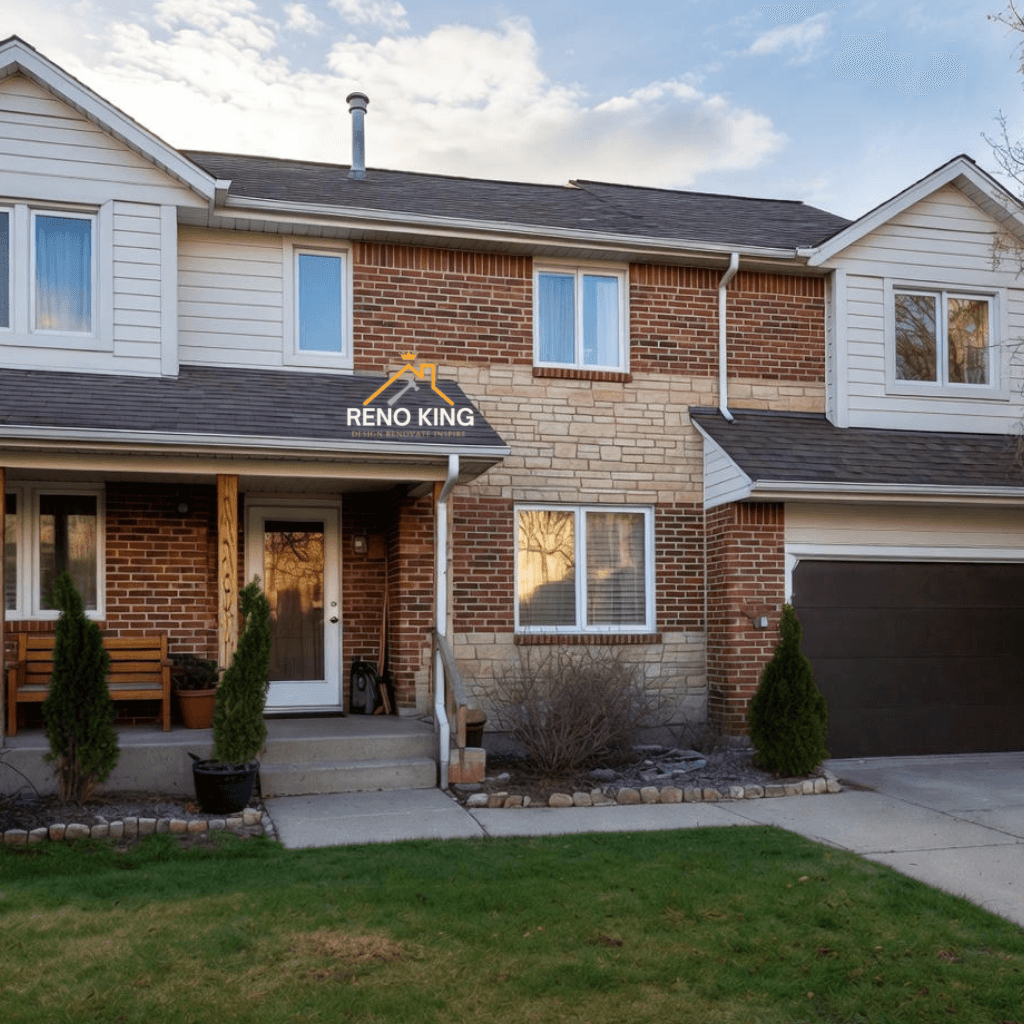
Visuals show the difference. A 1980s home with faded vinyl: Before—dented, leaky. After fiber cement and metal roof: Sleek, resilient, with lower bills.
Another: Stucco house post-hail—repaired with acrylic, now crack-free.
These changes boost curb appeal, from drab to modern.
Maintenance post-renovation: Clean gutters twice yearly, inspect for damage after storms.
Conclusion: Protect and Enhance Your Home for 2026 Winters
Durable exterior renovations equip Calgary homes to handle harsh winters with ease, from hail-resistant siding to insulated roofs and sealed windows. By understanding local weather, choosing quality materials, and leveraging incentives, you can create a low-maintenance, efficient space that saves money and adds value.
As you plan, consider consulting experts who know the area. In Calgary, Reno King offers proven expertise in these projects, with 23+ years, 846+ completions, and eco-initiatives like planting 10 trees per job. Contact them for personalized guidance on winter-proofing your home.